Our partner
TikTok
Distribute music on TikTok

How much does TikTok pay out?
Music services are generally settled to rightsholders on a pro-rata basis. Payouts are calculated as follows: Music services generate revenue from subscription fees, advertising revenue, or a combination of both. These revenues are then put into a pot from which payments are made later. The streaming service then calculates the total amount of usage (e.g. streams or creations) recorded for all songs together during a specific billing period. Each rightsholder will then receive a share of the revenue, depending on the usage. The exact breakdown depends on the agreements reached between the parties. Revenue also varies by business model and country and is calculated on a monthly basis.
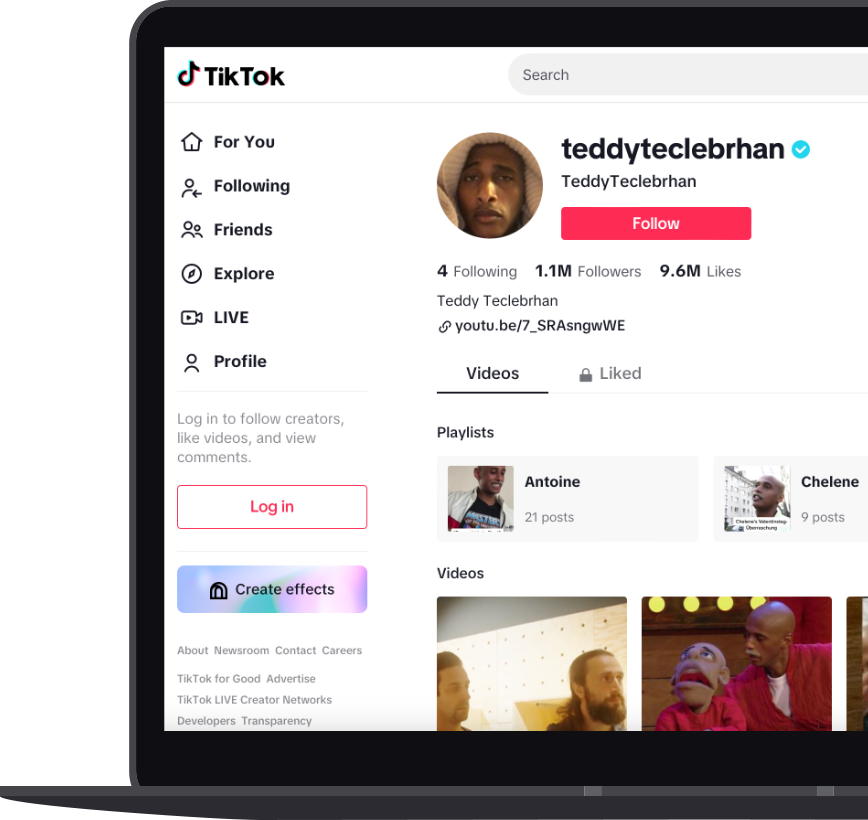
TikTok – the global stage for artists
TikTok offers musicians the opportunity to share and promote their art globally. This allows artists to share their music and connect with their fans in new ways with creative videos. Artists have the opportunity to be found organically and stand out from the crowd through challenges and popular hashtags. The potentially rapid expansion allows artists to significantly increase their audience in a short time. The platform can act as a springboard to getting performance opportunities, record contracts or brand cooperations. Finally, TikTok provides an easy way to publish music and use it in videos. There are well-known examples such as Lil Nas X, who have proven that TikTok can be a significant catalyst for your music career.